

 BACK
BACK


ExperienceBC’s Best Whale Watching

WHALE WATCHING IS ONLY
HALF THE ADVENTURE
We are more than a whale watching and marine wildlife adventure organization. We are mariners, educators, entertainers, scientists, and conservationists. We have been family-owned and operated since day one.
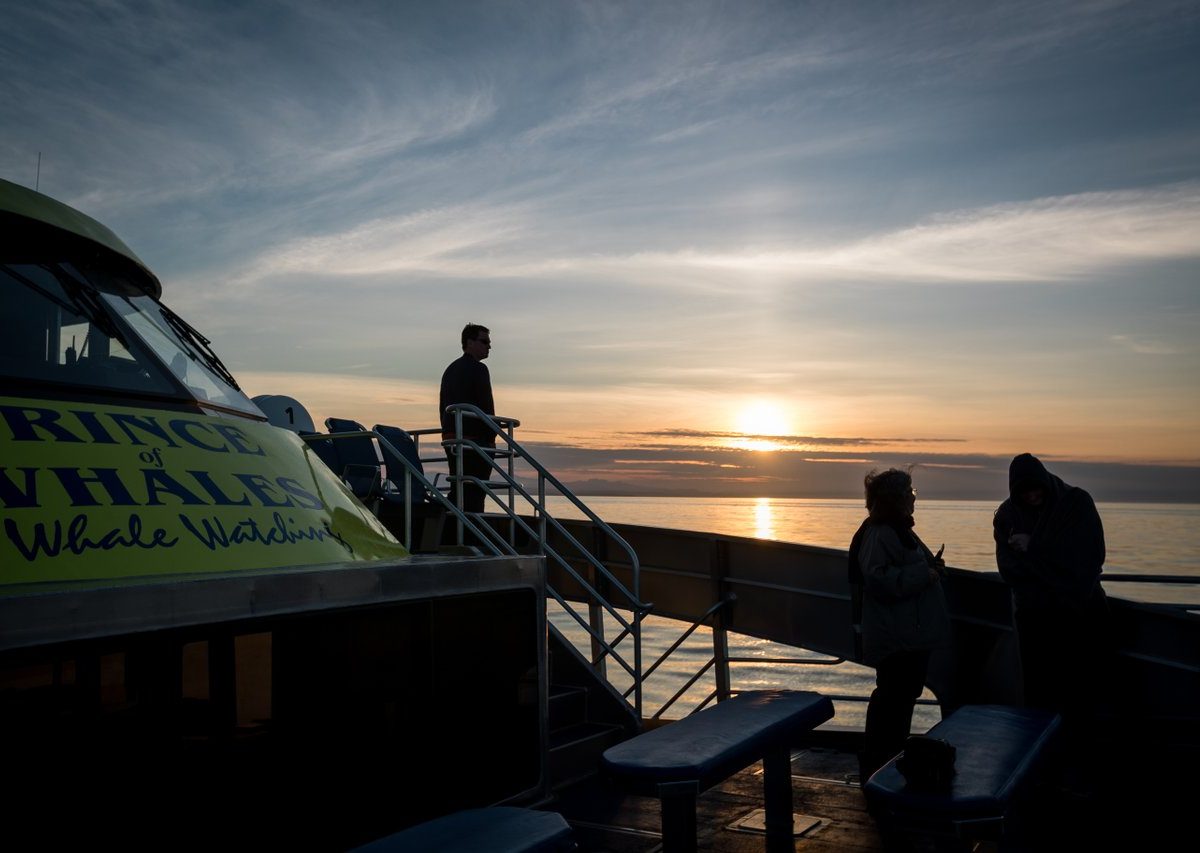
From our waterfront downtown departure locations, we offer industry-leading whale-watching tours in Vancouver, Victoria, and Telegraph Cove. Prince of Whales is focused on sharing the beautiful and breathtaking coastal waters of British Columbia, its vibrant wildlife,
and its rich history.


Our Journal











Did you know?
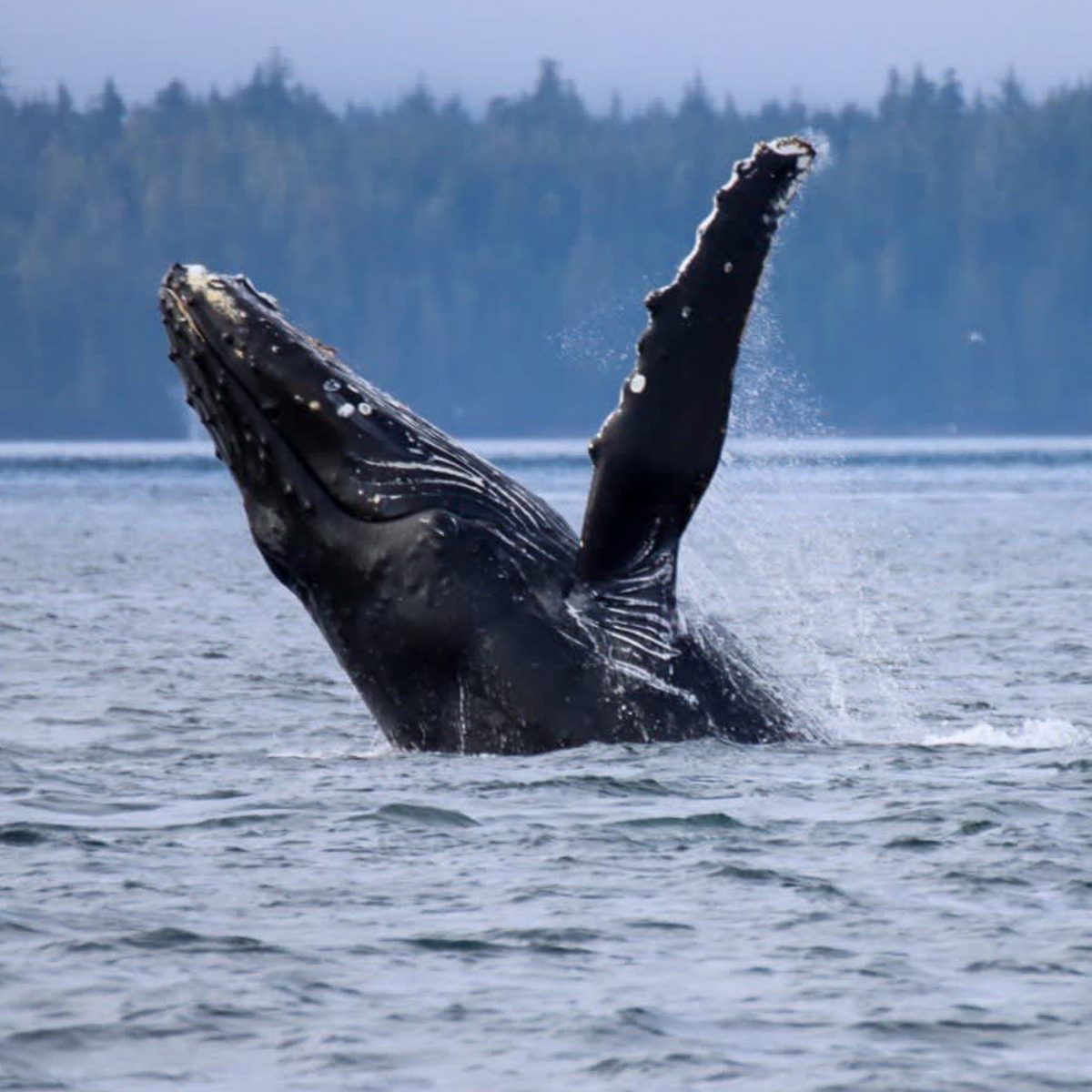
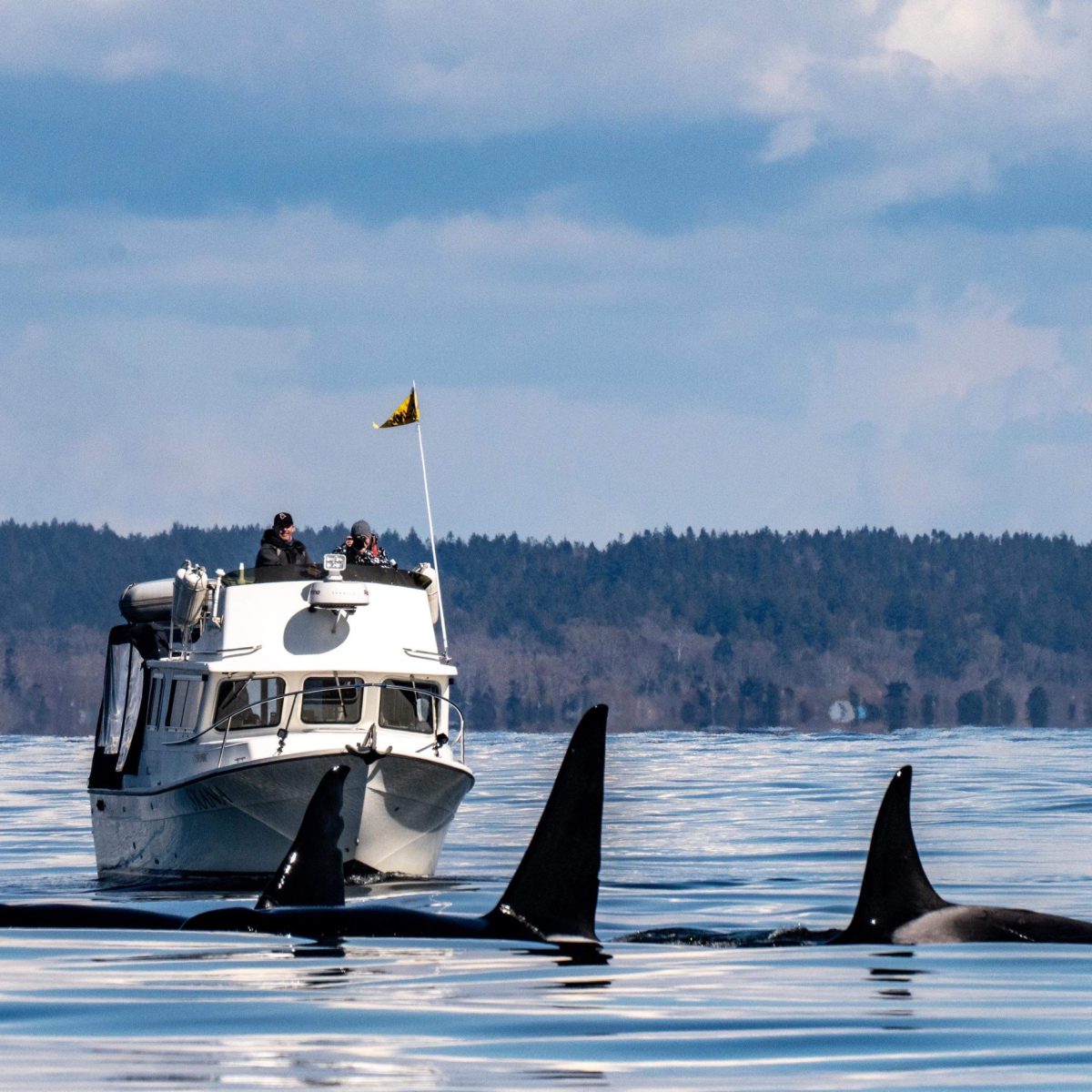
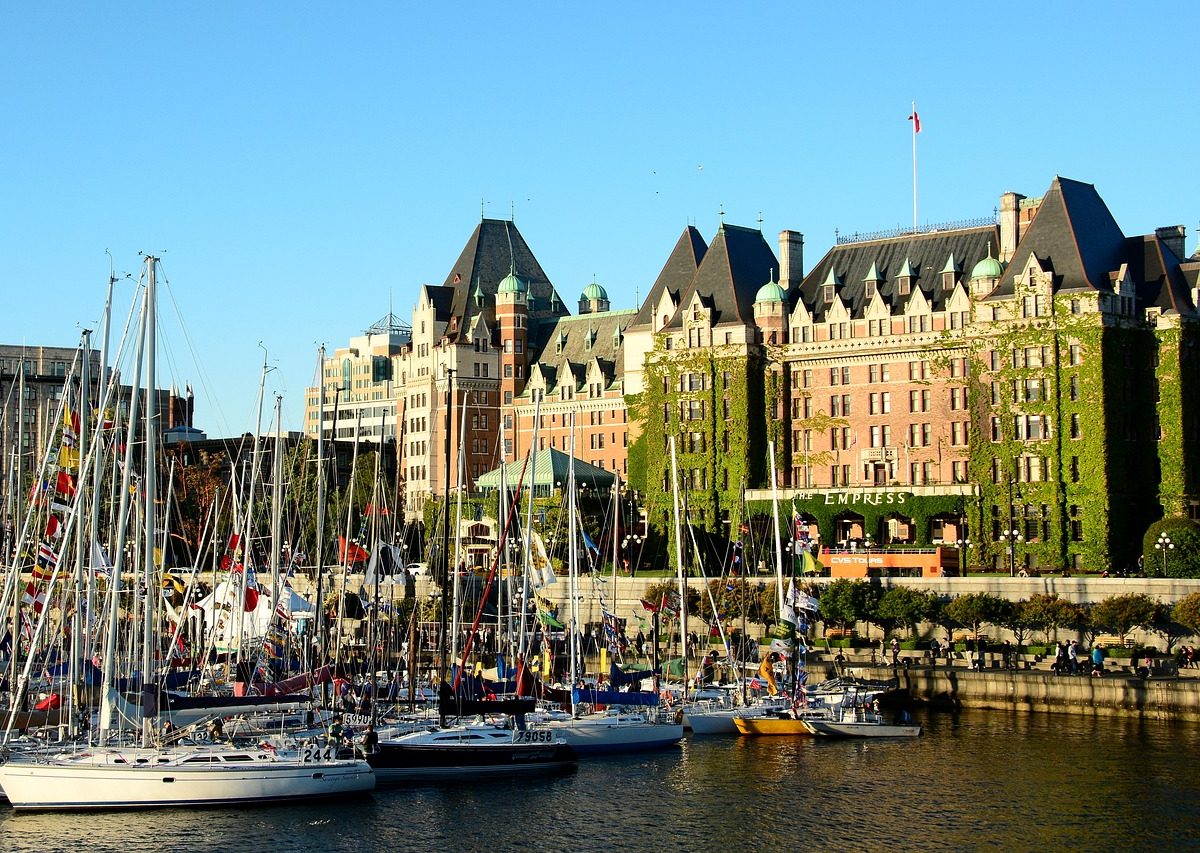
Victoria BC is one of the best places to see whales in the wild and is located near the Juan de Fuca and Haro Straits, which are home to various types of whales, such as killer whales, humpback whales, minke whales and grey whales.
Whales are mammals, not fish.
Whales are warm-blooded creatures that breathe air through their blowholes and grow body hair. They also nurse their young with milk and have a four-chambered heart like other mammals. Whales are closely related to hippos, as they both evolved from a common ancestor that lived on land millions of years ago.
Orcas are apex predators
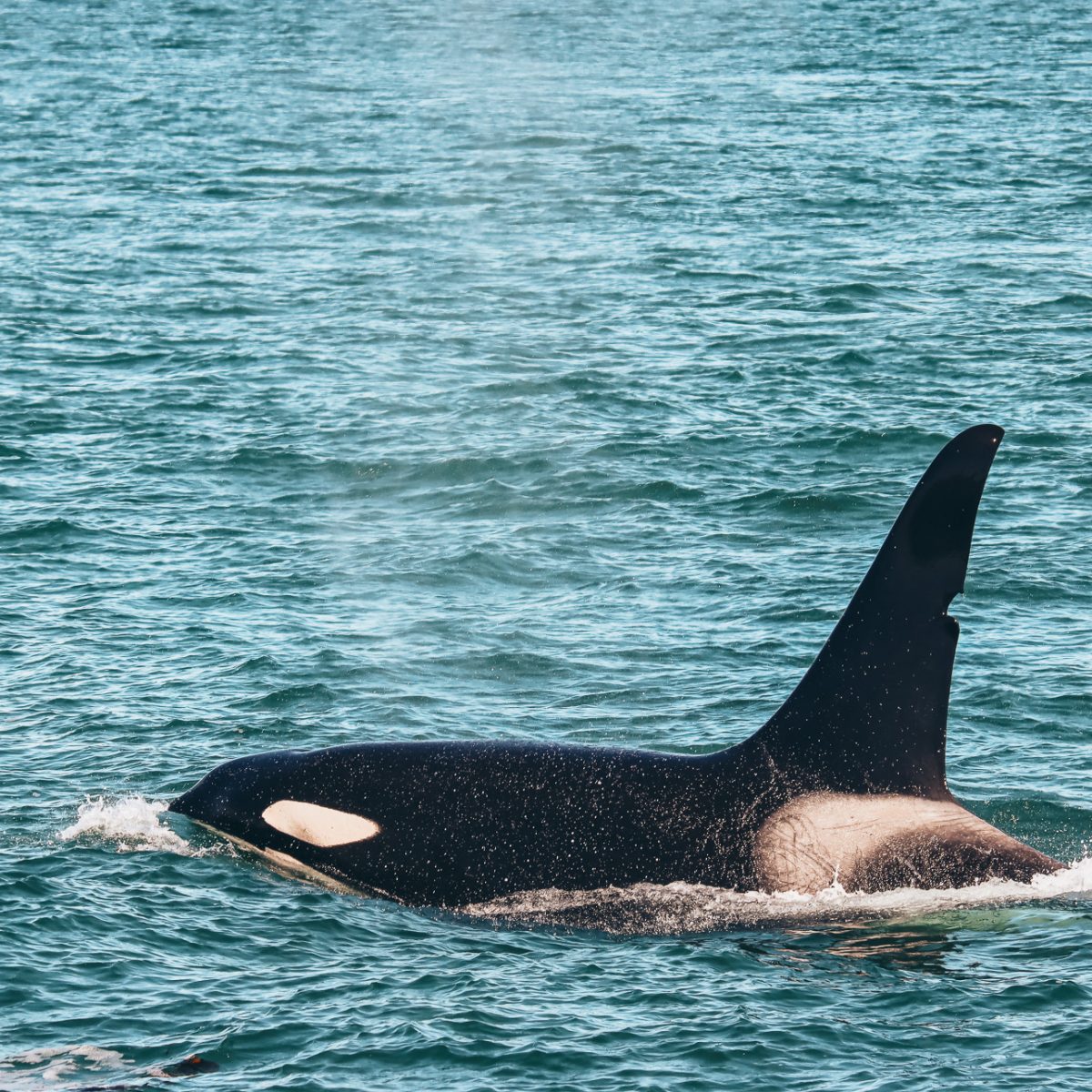
Orcas are apex predators and are at the top of the food chain in the ocean. They eat a variety of prey including fish, squid, and marine mammals like seals, sea lions, and even other whales.
Whales have complex communication systems.
Whales use different sounds to communicate with each other for various purposes, such as mating, socializing or warning. Some whale sounds can travel hundreds of miles underwater. Male humpback whales sing elaborate songs that can last for hours and vary by region. Killer whales have distinct dialects that identify their family groups.
Killer whales are not actually whales
Killer whales are the largest animals of Delphinidae (Latin for dolphins) family, Dolphins are Odontoceti meaning “toothed whale” which fall under the suborder of Cetacea (Latin – Cetus) meaning “whale“.
So technically while all whales are not dolphins, all dolphins are in fact whales.

Territorial Acknowledgement
We at Prince of Whales acknowledge that we work and live on traditional lands and waters of many nations across our 3 locations including – Victoria – of the Wyomilth (Esquimalt) and Lkwungen (Songhees), Scia’new (Beecher Bay), T’Sou-ke (Sooke) Nations, and the W̱SÁNEĆ (Saanich) people. Vancouver – xʷməθkʷəy̓əm (Musqueam), Sḵwx̱wú7mesh (Squamish), and səlilwətaɬ (Tsleil-Waututh) Nations – Telegraph Cove – Kwakwaka’wakw nations; the Namgis and the Mamalilikulla, also Gwawaenuk Nation & Kwakitul peoples, all whose historical relationships with the lands and waters continue to this day.
